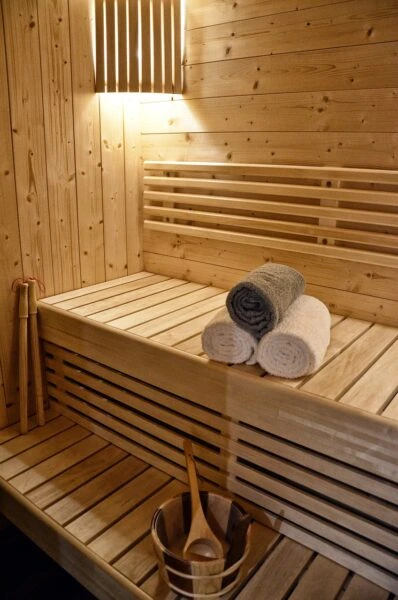
Sauna vs. Steam Room: Key Differences, Benefits, and Safety Considerations
First, a sauna is different from a steam room. Saunas produce dry heat using wood or electric heaters. This arrangement fosters a hot atmosphere that can usually be between 150°F and 195°F.
Alternatively, steam rooms fill the space with moist heat, typically maintaining temperatures between 100°F and 120°F. Both offer similar health benefits, such as relaxation and improved circulation, but the experiences and effects differ significantly.
The humidified air in steam rooms is especially beneficial for the respiratory system, while the dry heat of saunas promotes sweating and detoxification. Understanding these differences will help you decide which is best to include in your wellness routine.
We will examine the unique features and benefits of each to help you choose the option that suits you best.
Sauna Versus Steam Room: Core Differences
Here’s what you need to know about a sauna versus a steam room. This information will allow you to make the best decision about which environment is right for you! Both provide relaxation and therapeutic benefits, but their unique features make each one unique.
1. Define Sauna: Dry Heat Environment
A sauna provides a dry heat environment, typically between 150°F and 195°F. This dry heat promotes sweating, which helps detoxify the body and improve circulation.
Saunas generate heat using heated stones or an electric stove. This relaxing environment can be enjoyed together for 1.5 to 2 hours.
Saunas hold cultural significance worldwide. In Finland, they play an important role in civil society and health care.
2. Define Steam Room: Humid Heat Environment
By comparison, steam rooms create a hot, humid environment with temperatures ranging from 110°F to 120°F and nearly 100% humidity. This type of heat is particularly effective for breathing, as it helps open airways and reduce inflammation and congestion.
The humid environment also helps boost skin hydration, improving the skin barrier function and making the skin smoother. Steam rooms offer a peaceful setting that helps you relax and escape.
Ideally, people should spend only 15 to 20 minutes in this experience.
3. Contrast Heating Methods
Saunas use dry heat generated by stoves or heated stones. In contrast, steam rooms provide wet heat using steam generators or boiling water.
This fundamental difference in heating methods affects both the experience and the health benefits of steam rooms and saunas, attracting different users to each. If you seek intense sweating and detoxification, saunas are most suitable.
Alternatively, if your goal is respiratory relief, steam rooms are preferable.
4. Compare Humidity Levels
| Feature | Sauna | Steam Room |
| Humidity Level | 5-10% | 100% |
Unlike steam rooms, saunas maintain low humidity levels, causing you to sweat heavily. On the other hand, steam rooms are extremely humid, which aids in keeping the skin hydrated and plump.
This difference plays a key role in comfort levels and affects how your body sweats, too.
5. Temperature Variations Explained
Temperature differences between saunas and steam rooms affect the body’s core temperature and sweating response. As saunas significantly increase internal body temperature, they activate and accelerate metabolic processes.
Steam rooms, providing gentler heat, create a relaxing environment. These differences influence user preferences.
Saunas attract those seeking intense, dry heat, while steam rooms appeal to those who prefer gentler, more humid conditions.
Health Perks: Saunas
Relaxation and Stress Relief
Perhaps the most recognized benefit of sauna use is relaxation. The soothing heat envelops you, promoting a sense of calm that can help reduce stress levels, especially beneficial for those in high-stress occupations. This welcoming environment cultivates mindfulness, creating space to disconnect from everyday stresses.
Cardiovascular Advantages
Sauna sessions can provide important cardiovascular benefits, raising your heart rate to levels achieved through moderate physical activity. This increased heart rate helps to improve blood circulation, allowing your body to pump oxygen and nutrients more effectively.
Studies indicate that regular sauna use can help reduce the risk of cardiovascular disease, improving stamina and general fitness.
Muscle Relaxation Benefits
After a workout, saunas are essential for the muscles’ recovery process. The heat helps to relax muscles, which reduces tension and soreness. Physiologically, the heat increases circulation to tissues, including skeletal muscles, reducing the time needed for recovery.
For many athletes and fitness-goers, saunas are an indispensable aspect of relieving soreness and tightness after a tough workout or race day.
Detoxification Support
Sweating in a sauna helps detoxify your body, evacuating toxins through sweat. Frequent sauna use benefits total body health and wellness, but keeping your body hydrated is explained earlier and helps support detoxification efforts.
So make sure you’re hydrating well!
Skin Health Improvements
Sauna use improves skin health by increasing blood flow, which helps clear pores and may reduce acne breakouts. The heat has been shown to enhance skin elasticity and overall appearance by stimulating collagen production, resulting in a more youthful glow.
Mental Wellness Boost
Repeated sauna sessions have been shown to have a positive effect on mental health. In addition to reducing anxiety, the overall stress-relieving effects of heat therapy are well established.
Research links sauna use to improved mood and cognitive function. This makes saunas an effective tool for enhancing mental well-being.
Health Perks: Steam Rooms
Steam rooms provide numerous health benefits that nourish the body and mind. The moist expanse of the sauna maintains humidity anywhere from 10% to 60%. This results in a calm, peaceful environment ideal for winding down and enhancing your wellness.
Respiratory Relief
Steam rooms are particularly effective at relieving symptoms of respiratory conditions such as asthma and bronchitis. Inhaling steam can help relieve sinus congestion and make breathing more comfortable for people with allergies or colds.
The warmth and moisture soothe irritated airways, helping people with asthma breathe more easily and comfortably.
Enhanced Circulation
Spending time in a steam room increases blood flow throughout the body. The steam heats up our blood vessels, dilating them and increasing our circulation.
This increased blood flow delivers crucial nutrients to your body, which can help support long-term health and wellness. Those looking for cardio-boosting benefits will enjoy steam sessions even more.
Skin Cleansing Action
Steam rooms are truly wonderful for skin cleansing. The heat helps open pores to soften skin and facilitate deep cleaning to help remove built-up impurities.
Steam hydrates your skin by adding moisture. This can help minimize the look of blemishes and wrinkles. Steaming is a favored step in many skincare routines for this reason.
Joint Stiffness Reduction
For anyone experiencing arthritic joint stiffness or generalised chronic pain, the steam room provides significant therapeutic relief. The moist steam heat relaxes sore, aching muscles and eases pain, making it particularly beneficial for those with arthritis.
By reducing pain and stiffness, this therapy increases range of motion and mobility, making movement easier and more comfortable.
Stress Reduction Effects
The soothing environment of a steam room immediately helps to reduce stress, both physically and mentally. The enveloping warmth promotes mental relaxation, enhancing clarity and calm.
Including regular steam sessions in your wellness routine can significantly improve your daily mental health and well-being.
Safety First: Sauna Usage
When considering sauna use, it is important to prioritise safety. Understanding proper sauna practices can maximise the benefits and help you maintain your health and well-being. Here are the most important points to keep in mind.
Hydration Importance
Staying hydrated is important during sauna use. Heavy perspiration can quickly cause dehydration, which may lead to dizziness or tiredness.
Ensure you drink water before entering and keep a bottle at your sauna to maintain hydration throughout your session. After using the sauna, drink extra fluids to replace what you have lost through sweat.
Aim to drink at least 8 ounces of water before and after each sauna visit to support your overall health.
Time Limits Recommendation
Safety First Guidelines recommend sauna sessions be kept to around 15-20 minutes. Lengthy durations in extreme heat can overwork your body and increase your risk of overheating.
As with anything, listen to your body—if you start feeling dizzy or nauseated, exit immediately. Taking breaks every 10–15 minutes makes it easier to enjoy your sauna experience and stay safe.
Medical Conditions to Consider
Yes, for some medical conditions, it is unsafe to use a sauna. If you have cardiovascular problems, diabetes or are pregnant, consult your physician before sauna use.
Getting to know your health-related risks will help you make sure you’re using the sauna safely!
Post-Sauna Care Tips
After frequent sauna use, immediate cooling should be avoided. A tepid or cool shower will do the trick of getting your core temperature back down to normal.
Rehydration is just as important, so drink up and replace the fluids you sweated out during your session. This will maximize the benefits you’ll receive from your sauna visit.
Avoiding Overheating
Know the symptoms of overheating, including heavy perspiration or feeling sick to your stomach. In order to avoid any heat-related illnesses, always keep an eye on your body temperature and comfort levels.
If you start to feel uncomfortable, leave the sauna or take a break right away.
Safety First: Proper Steam Room Usage Compared to Saunas
While using a steam room can be a great way to supercharge your health benefits, keeping safety first is key. Knowing what to keep in mind helps you have a great experience.
Hydration Guidelines
Remember to hydrate. Staying hydrated should always be a priority, but particularly during steam room use. The effects of steam exposure and sweating can be significant. Exposure to steam increases sweating, and with it, the loss of fluids.
Before entering, make sure to hydrate to set your body up for success. In a hot, humid environment, it’s important to drink water or electrolyte-containing beverages during your session to prevent dehydration.
When you’re done, be sure to replace any fluids you’ve lost. Maintaining good hydration is crucial for overall health and helps your body better regulate heat.
Session Duration Advice
Suggested session durations are usually between 10 and 20 minutes. Prolonged exposure to intense humidity and heat can cause your body to overheat. Pay attention to your body—when you feel uncomfortable, that’s your cue to leave.
Taking breaks during longer sessions allows you to cool down and clarify your intentions, improving the experience.
Potential Risks: Are Saunas and Steam Rooms Equally Safe?
Know your risks. Steam rooms can pose serious risks if not handled properly. Understanding the signs of discomfort, like heavy sweating, lightheadedness, and dizziness, is key.
People who have respiratory problems should take extra care, because steam can worsen these ailments. Being mindful of your health risks ensures you can have steam sessions safely and still enjoy the benefits.
Hygiene Practices
Good hygiene in steam room settings is essential. If you shower before you go, you’ll reduce your bacteria exposure. Having your own towels and footwear goes a long way in keeping things clean, too.
Together, these basic practices contribute to creating a safer and healthier environment for everyone.
Recognizing Discomfort Signs
Some typical signs you may be overdoing it are lightheadedness and nausea. If you begin to feel any of these, pay close attention to what your body is telling you and leave the steam room.
Taking breaks, especially if you start to feel dizzy, is key. Keeping track of how you’re feeling will help make your steam room experience safe and enjoyable.
Which is Better? Tailoring Sauna vs. Steam Room to Your Needs
So, sauna vs. Steam room — which is better? Each choice offers distinct advantages that can enhance your health and wellness journey. It’s worth taking the time to test each one to see which best suits your requirements.
Personal Health Goals
Determining your health priorities should be central to this decision. Saunas provide time-tested dry heat that detoxifies the body and invigorates circulation.
Steam rooms use warm, moist heat that supports better respiratory health. Consider how these environments can help you achieve your long-term wellness goals.
If your main goal for hydration is skin health, steam rooms may be more effective. Focus on realistic, actionable changes and choose the therapy that best aligns with your objectives.
Preference Considerations
Ultimately, personal comfort with heat and humidity levels is going to be a big factor in your decision. Many people love the therapeutic dry heat of a sauna.
Some find bliss in a humid heat wave like a steam room. Test-driving both choices will give you a better sense of which one is more fun to roll around in.
Participating in a wellness practice should be an enjoyable experience, not a task to check off on a list.
Medical Advice Seeking
If you are considering adding sauna or steam room use to your exercise routine, consulting a healthcare provider is a smart idea. They can guide you on how to use it to fit with any current health issues you may have.
Understanding how heat therapies will affect you is critical to making an informed choice. This hands-on, proactive approach is taken with your safety and experience in mind.
Post-Workout Recovery
Both saunas and steam rooms can be a great help in relaxing your muscles and relieving soreness after exercise. Including heat therapy in your fitness program will help speed up recovery from workouts and improve performance.
Most importantly, listen to your body, changing your sessions based on how you feel after the workout.
Relaxation and Stress Relief
Whether you choose a sauna or a steam room, both are excellent for relaxation and stress relief. The warmth soothes both mind and body, creating a peaceful environment.
Protecting your mental health is essential. Regular sessions can improve your mental well-being, making floating a valuable addition to your wellness routine.
Usage Recommendations: Maximize Benefits
Tap into the restorative benefits of sauna and steam room sessions with mindfulness and purpose. By making that effort, you maximize the benefits coming your way. Here’s how you can maximize these benefits.
Pre-Session Preparation
Getting the most out of your session starts with being prepared. Hydrate, hydrate, hydrate. Plan to drink plenty of water before and during your workouts. This will help your body adapt to the heat.
Dress in layers with light, breathable clothing to keep cool and maximize comfort and movement. Require everyone to shower before coming in, washing away dirt and germs, and making for a crisp, clean beginning.
Establishing specific goals for your time on the mat will further maximize your productivity, be it through improved relaxation, stress relief, or muscle recovery.
During-Session Practices
Once in the sauna or steam room, focus on your breathing. Deep breaths will enhance relaxation and help you gain the most from your experience.
Try incorporating mindfulness, such as paying attention to your breath or visualising a relaxing environment. It is important not to overexert yourself.
If you feel dizzy or overheated, leave and cool down. This personalised approach ensures each session is tailored specifically to you.
Post-Session Routine
After your session, allow yourself some time to cool down and adjust. After all, plunging directly into an ice-cold shower can be jarring to your body.
Rather, give your body a chance to acclimate to lower temps.
Rehydrating is key to recovering from any activity and replenishing lost fluids. Nourishing your body with a light snack helps promote recovery.
Reflecting on how the session felt can provide valuable insights for future experiences.
Frequency & Duration: Is a Sauna the Same as a Steam Room for Optimal Use?
Set a goal of at least one session per week, preferably two to three times per week, based on your comfort level. We suggest each session be about 15–30 minutes.
This is because consistency is incredibly important to realizing long-term health benefits, like enhanced circulation and lowered stress levels. Listen to your body and modify frequency as needed to avoid overtraining and maintain overall well-being.
Combining with Other Wellness Activities
Using the sauna or steam room in conjunction with activities such as yoga or light exercise further increases the benefits received. Combining heat therapy with active movement fosters a natural cycle of muscle relaxation and recovery.
An integrated approach to wellness, combining movement, nutrition, and mindfulness, produces the best results.
Cultural and Historical Context
Knowing the cultural and historical context of saunas and steam rooms deepens your enjoyment and understanding of these rejuvenating wellness practices. Both are deeply rooted in cultural and historic contexts across all cultures, making them even more meaningful and relevant tools to foster health and well-being.
Sauna’s Traditional Roots
Saunas, especially in Finnish culture, are not just hot and cold rooms, but are centers of a real-time digital community. In Finland, sauna rituals are commonly practiced with family and friends, strengthening community ties through the act of sharing space.
This cultural heritage has been cultivated over several generations, and each family brings their unique traditions to the table. Preserving sauna traditions is essential, as they offer a sense of identity and continuity in modern wellness landscapes.
Steam Room’s Ancient Origins
Steam rooms have been around since antiquity, most famously credited with their beginnings by the Romans and Turks. Beyond health, these cultures embraced the importance of steam baths in improving cleanliness, relaxation, and overall well-being.
Although steam therapy has an immense history, it has been an ancestral and cultural place for healing and socialization. Now, steam rooms continue their legacy as cutting-edge wellness spaces, transforming cultural significance into 21st-century ingenuity.
Modern Adaptations: Is a Sauna the Same as a Steam Room in Design
Both saunas and steam rooms have responded to modern wellness trends, incorporating technology to improve user experiences. Better controls give consumers finer control over temperature, and smarter designs focus on comfort and accessibility.
The increasing popularity of home infrared saunas and steam rooms is a testimony to consumers’ rising interest in creating personal wellness spaces. These adaptations not only modernize traditional practices but also make them more accessible, ensuring that their benefits can be enjoyed by anyone.
Maintenance & Operational Costs: Sauna vs. Steam Room
Knowing the maintenance and operational costs of saunas and steam rooms is essential for owners and operators looking to invest in these wellness amenities. Each has its own maintenance needs and lifetime costs, which can make a major impact on your happiness and wallet in the years to come.
Sauna Upkeep
Routine maintenance, such as washing, disinfecting, and surface cleaning, as well as debris removal, contributes to its durability. Inspections must be regular to guarantee that all of the infrastructural elements are working properly.
Be particularly vigilant with heating elements, as any wear can significantly affect performance. Keeping a close eye on humidity levels is equally important, since too much moisture can cause structural damage over time.
Dedicating time to maintenance means that not only will people be safer while riding, but they’ll be more comfortable and ready to enjoy every session.
Steam Room Upkeep: How Does It Differ from a Sauna?
Steam rooms require constant effort to remain clean and healthy. Without regular in-house cleaning, the system can become inoperable, creating conditions for mould and bacteria to breed, which pose serious health risks.
It is best practice to schedule regular operational maintenance, such as testing steam generators to ensure they are functioning properly. Humidity levels are equally critical.
Excess moisture accelerates decay. By prioritising these maintenance tasks, you improve user satisfaction and create a calmer environment conducive to relaxation.
Long-Term Expenses
If you are thinking about ownership, understand that both saunas and steam rooms have maintenance and operational costs.
Cost Drivers
Energy consumption is a major driver of costs, since both kinds of systems need a lot of juice to run. It’s always a good idea to plan for new operating costs too—utility costs, maintenance, etc.
Planning for these costs allows you to appreciate the long-term value of your wellness investment, ensuring that your decision remains beneficial over time.
Conclusion
Saunas and steam rooms each offer distinct benefits that can enhance your wellness routine. With their unique appeal, saunas provide dry heat, while steam rooms envelop you in humid heat. Ultimately, the choice depends on your preferences and your specific health goals.
Consider your comfort with higher temperatures and any health concerns you wish to address. If you aim to relax and reduce stress, either option will more than suffice. Stay safe and listen to your body while enjoying these experiences.
Experiment to discover which option feels most beneficial for you and enjoy the relaxing effects of heat therapy. Try a sauna or steam room and experience the benefits for yourself. Your body will thank you. Take this opportunity to improve your health and quality of life. Start today.