Sauna Therapy for Lower Back Pain: Exploring the Benefits and Guidelines
Sauna use is therapeutic for lower back pain. The heat relaxes tense muscles and increases circulation to the affected areas, helping to relieve pain. Almost everyone I know experiences instant relief from muscle tension after spending time in the sauna.
This relaxation helps them better manage their chronic pain. The soothing heat penetrates deep into the tissues, easing muscle tension and stress to provide a renewed sense of well-being.
Consistent sauna use can also improve flexibility and mobility, both of which are essential for maintaining a healthy back. Visit us today or contact us online to learn more about how sauna therapy can help relieve lower back pain.
We will even show you how to fit it into your busy lifestyle.
What is a Sauna?
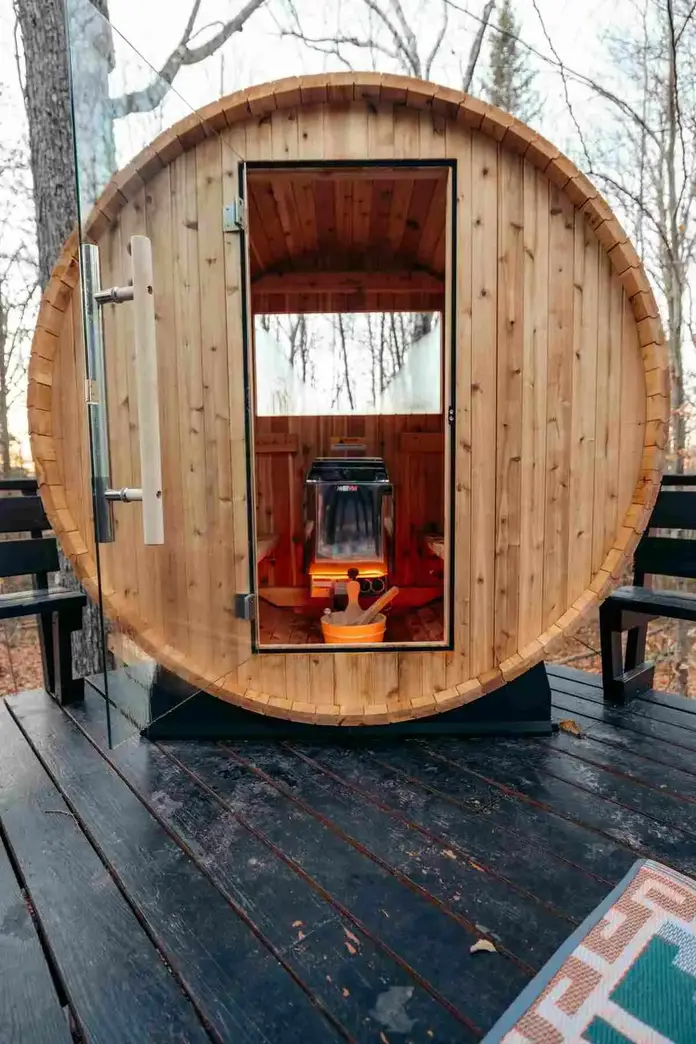
A sauna is a small, hot room used for bathing. This compact sauna promotes wellness by heating up to 104 degrees to cleanse the body and calm the mind. It is not only a place to relax and rejuvenate, but also an investment in your health.
What kind of sauna should I get? There are two main types of saunas – traditional and infrared – each offering distinct experiences and benefits.
Traditional Sauna Defined
According to the Minnesota Department of Health, traditional saunas are heated with wood-burning stoves or electric heaters. These methods generate intense heat, ranging from 150°F to 195°F, with low humidity.
This therapeutic environment holds significant cultural importance in many societies. In Scandinavian countries, it has long served as a communal space in market towns for social interaction.
In a convection sauna, such as a Finnish sauna, humidity is increased by pouring water on hot stones. This produces steam, raises humidity levels, and creates a relaxing atmosphere.
This natural steam therapy relieves persistent joint stiffness and helps manage pain quickly and effectively. That is why many people with lower back pain are turning to it.
Infrared Sauna Defined
Traditional infrared saunas work by using infrared light to heat your body directly, typically operating at lower temperatures between 120°F and 140°F. Many people wonder – is infrared sauna better than regular sauna? The answer depends on your needs, as infrared saunas provide deep warmth at more comfortable air temperatures, while traditional saunas create a hotter overall environment. Both types offer health benefits, but the infrared option may be preferable for those who find extreme heat uncomfortable.
This technique provides deeper tissue penetration, which means deeper muscle tension and pain relief can be attained. It’s why so many prefer infrared saunas, especially if you’re someone who doesn’t do well with intense heat.
The lower temperatures help activate the more proximal heat-sensitive receptors located in the skin and deep tissues. This process more efficiently dulls pain by shutting the gates that control it.
Both kinds of saunas will detoxify your body and increase your metabolism. One study indicates as many as 70% of subjects experienced very good or good therapeutic results from a dry sauna.
Can Sauna Help With Back Pain?
This makes sauna therapy a promising and natural option for anyone looking to find relief from back pain. The relaxing warmth provided by saunas is a powerful tool when trying to relieve pain and improve movement.
Many people notice better feelings and function following a sauna, making it easier to move and enjoy a more active life.
How Heat Impacts Back Pain
Heat therapy improves blood flow to sore areas on the back, bringing oxygen and nutrients essential for healing. This process promotes muscle relaxation, allowing tight muscles to release and reducing the pain they may cause.
It is thought that heat reduces the sensitivity of the nerves surrounding the spine, providing short-term relief during acute back pain flares. For those affected, even this temporary relief allows many people to go about their daily lives more easily.
Scientific Evidence on Sauna and Back Pain
Scientific evidence supports sauna therapy as an effective method for relieving back pain. A 2019 study found that repeated sauna sessions led to significant reductions in chronic lower back pain.
Participants who underwent dry sauna therapy twice daily for five consecutive days experienced a remarkable 70% decrease in pain. This result highlights the therapy’s effectiveness in addressing pain.
Their VNRS and ODI scores also improved significantly. Additionally, sauna therapy has recently been associated with improved circulation and reduced inflammation, both important for targeting chronic pain.
Although these results are promising, further research is needed to establish sauna therapy’s role in pain management.
How Does Sauna Help Back Pain?
Sauna therapy brings a variety of physiological mechanisms to relieve back pain in an efficient manner. All benefits aside, saunas increase heat in the body, which leads to muscle relaxation. They increase circulation and fight inflammation, two major components in fighting pain.
1. Muscle Relaxation Explained
Muscle relaxation plays an essential role in relieving back pain. The heat from the sauna helps to diminish muscle spasms and tension, enabling sore, achy muscles to relax.
The calming atmosphere of a sauna helps promote a calming environment. That serene environment enhances your mood and quality of life, providing natural stress relief.
2. Enhanced Blood Flow Benefits
When your body is exposed to the heat of the sauna, blood vessels expand, increasing circulation. This increased circulation brings healing nutrients and oxygen to damaged or traumatized tissues.
Improved circulation reduces inflammation in the back, facilitating healing.
3. Inflammation Reduction Process
Sauna therapy is a powerful anti-inflammatory therapy. The heat helps reduce inflammation in surrounding tissues, making it especially valuable for treating chronic conditions such as arthritis.
Several consecutive sauna sessions have been shown to have prolonged anti-inflammatory impacts.
4. Endorphin Release and Pain
Endorphins are your own natural painkillers produced in your body. Sauna sessions induce their release, offering powerful pain relief with the added benefit of improved mood.
In addition to affecting emotional response, higher endorphin levels have been shown to raise overall pain tolerance.
5. Stress Reduction and Back Pain
We all know that stress can contribute to muscle tension and exacerbate back pain. Stress Reduction Saunas have been proven to effectively reduce stress levels, leading to deeper relaxation and improved overall mental health.
This improvement is crucial for holistic back pain therapy.
6. Improved Sleep Quality
Sauna use has been linked to improved sleep quality due to its relaxation-inducing effects. Heat helps the body prepare for restful sleep, and quality sleep is important for recovering from back pain.
By improving sleep quality, you can reduce pain perception.
7. Detoxification Effects
Detoxification may be the most important underlying key to health. When you sweat in a sauna, your body releases toxins and other substances, including inflammatory compounds.
This process causes a natural reduction in inflammation. Sauna is an effective way to enhance these detoxification pathways, helping your body to naturally remove harmful substances.
Types of Saunas for Back Pain
Saunas are an excellent natural way to help relieve lower back pain. Learn about the different types of saunas. With this knowledge, you will be better equipped to choose the sauna that best fits your comfort and effectiveness needs.
Traditional Saunas: Benefits
Both of these effects can help relieve back pain, as traditional saunas provide profound muscle relaxation and stress relief. The high temperatures, typically between 150°F and 195°F, promote heavy sweating. This process increases circulation and reduces tension in the back muscles.
Cultural significance is also an important aspect of traditional sauna practices. In Indigenous and other First Nation communities, these practices are rooted in centuries-old traditions. They can serve as a private retreat, a place where stress dissipates.
This social dynamic can create a powerful experience, transforming something that might feel daunting and overwhelming into an enjoyable and supportive activity. The consistent heat exposure of traditional saunas may benefit overall wellness.
Infrared Saunas: Benefits
Infrared saunas provide distinct advantages by operating at lower temperatures between 110°F and 140°F, making them more comfortable for heat-sensitive users. For those wondering what are the benefits of infrared sauna, they include deep tissue penetration of heat, improved circulation, and effective detoxification – all achieved at more tolerable temperatures than traditional saunas. This makes infrared saunas accessible to a wider range of people while still offering therapeutic effects similar to conventional saunas.
This type of sauna uses infrared heat, which penetrates deeper into the tissues, providing powerful relief for back pain. Additionally, this sauna supports skin health and detoxification by inducing sweating.
The affordability and convenience of infrared saunas draw in a lot of people looking for relief.
Comparing Traditional and Infrared Saunas
| Feature | Traditional Saunas | Infrared Saunas |
| Heating Method | Heats air | Heats body directly |
| Temperature Range | 150°F to 195°F | 110°F to 140°F |
| User Experience | Higher heat, quick sweat | Lower heat, prolonged use |
| Pain Relief | Good muscle relaxation | Deep tissue penetration |
Weighing the advantages and disadvantages of each sauna type, both options are effective at helping you manage your back pain. Your unique needs around heat tolerance, social aspects, and desired usage will all impact your decision.
Maximize Sauna Benefits for Back Pain
When done intentionally, sauna therapy can be a powerful tool for relieving lower back pain. To maximize its effectiveness, establish a routine. Regular sauna use allows your body to adjust, providing greater and more noticeable benefits.
Scheduling sauna sessions at the same time each week may help you develop a habit that supports your recovery.
Set Sauna Session Duration
Determining how long to use the sauna during each visit is important. Start with gentle sessions of about 15 to 30 minutes, gradually increasing the duration as you become more accustomed to the heat. Beginning with shorter sessions allows your body to acclimate without causing extreme discomfort.
Studies indicate that shorter, more frequent sessions may be more beneficial. Consistent use, ideally three to four times a week, provides greater relief than less frequent, longer sessions. Listen to your body and find what works best for you, as everyone’s tolerance varies.
Sauna Session Frequency
Plan on using the sauna two to three times per week. This frequency can result in long-lasting pain relief, as regular heat exposure promotes muscle relaxation and increased circulation. Make changes according to your body.
If you are experiencing persistent pain or discomfort, try increasing sessions. Keep in mind, consistency is critical for maximizing the long-term benefits of sauna therapy.
Hydration and Electrolyte Balance
Hydration is important both before and after sauna use. The extreme heat in the sauna causes significant fluid loss through sweating, so stay hydrated with water or electrolyte-rich drinks to replace what is lost.
Proper hydration supports your body and enhances the effectiveness of sauna therapy. Taking this precaution can help prevent headaches and fatigue after your sauna sessions.
Post-Sauna Care
Proper post-sauna care can help ensure you get the most restorative use out of your sauna. Avoid shocking your system by taking time to cool down after your sauna session. Some gentle stretching or light movement will increase your flexibility and help work out tightness or tension in your back.
Stay hydrated and replenish electrolytes to continue helping your body’s natural recovery process.
Who Should Avoid Saunas?
Despite all of the benefits saunas have to offer, some people should consider avoiding sauna use altogether or at least be more careful. Having a clear understanding of your health status will help you get the safest and effective sauna therapy possible.
Pre-existing Health Conditions
Those with certain medical conditions may want to avoid saunas.
Pulmonary and cardiovascular diseases can be a concern. Heat can worsen conditions such as pulmonary congestion and ischemic heart disease by increasing heart rate and myocardial oxygen demand.
Respiratory problems are also a concern. Conditions like asthma or COPD can be aggravated by the extreme heat and humidity found in saunas.
Understanding your personal health risks is essential before using a sauna. Consulting a trained professional to assess your individual needs can help you benefit safely from sauna therapy and prevent existing problems from worsening.
Medications and Sauna Use
Some medications may interact with sauna therapy, so it is important to check with your healthcare provider before using a sauna.
For example, diuretics can increase the risk of dehydration in a sauna, which may lead to dizziness or fainting.
Other medications that affect blood pressure or heart function should also be carefully considered when combined with heat. Consult a healthcare professional about your medication regimen to ensure you can enjoy the benefits of sauna use without risking these side effects.
Pregnancy and Sauna Safety
Pregnant people should take particular care when deciding to use a sauna. Studies show that increased exposure to high heat can cause damaging risks to fetal development, including pregnancy complications.
While many wonder does a sauna help with allergies, pregnant women should prioritize caution. Always consult your healthcare provider before sauna use, as the risks often outweigh potential benefits. For safer relaxation, consider gentle stretching or prenatal yoga—effective ways to relieve discomfort without sauna-related concerns.
Safety Tips for Sauna Use
Regular sauna use poses several health benefits, particularly with chronic lower back pain, but you should always focus on safety and comfort during your sauna session. Here, I’ll share a few of these tips to help you maximize the benefits of the sauna and stay healthy.
Start Slowly and Gradually Increase Time
If you’re new to sauna, start with shorter sessions of 5 to 10 minutes. This method gets your body used to the heat while not putting yourself in danger of overheating.
Add a few minutes to your time each session as you get used to the sauna. Getting accustomed to the heat will deepen your enjoyment and increase the productivity of your time in the sauna.
Take it slow and pay attention. Always listen to your body. If you begin to feel uncomfortable, it’s time to reduce the time.
Listen to Your Body’s Signals
Listening to your body throughout your sauna session is key. Pay attention to any signs of discomfort, like dizziness, light-headedness, and/or heavy sweating.
If you start to feel faint or excessively hot, leave the sauna right away. Pay attention to what your body is telling you to avoid unpleasant encounters.
You will improve your sauna experience by doing so!
Avoid Alcohol Before or During Sauna
Avoiding alcohol in the hours before and during sauna use is important. Alcohol can impair your judgment, making it harder to recognize discomfort.
It also increases the risk of dehydration, which can lead to serious health complications. Instead, focus on staying hydrated and plan enjoyable alcohol-free activities.
Cool Down Gradually After Sauna
After your sauna use, cool down gradually. Going from the extreme heat to a real cold brute shock to the system can be jarring.
Taking a cool shower or lying down in a cooler environment promotes a comfortable adjustment back to your body’s normal baseline temperature.
If you enjoyed sauna bathing while relaxing and cooling down, gradual cooling benefits your recovery and well-being.
Complementary Therapies for Back Pain
Integrating complementary therapies with sauna therapy can greatly increase the positive effects of sauna therapy for lower back pain relief. These therapies complement one another to create a whole-body approach to pain relief. They range from physical therapy to lifestyle adjustments to medication considerations.
Physical Therapy Integration
Physical therapy plays a key role in enhancing sauna therapy. Combining exercises with heat therapy promotes faster rehabilitation and improved mobility. For example, light stretching paired with the soothing heat of the sauna can reduce tension and increase overall flexibility.
Physical therapists create individualized treatment plans to address your specific needs. They ensure the exercises align with your pain management goals. Open, honest communication with your therapist is essential, allowing them to design your routine to maximize your long-term success.
Medication Considerations
Even when using sauna therapy to relieve back pain, the role of medication is inescapable. While medication is sometimes necessary to manage pain, pain medication must be balanced with the appropriate use of complementary therapies.
Medications that increase relaxation can enhance the sauna’s calming effects. Some medications, such as NSAIDs, can amplify the sauna’s calming effects, whereas other medications can negate its advantages. You should be asking yourself continuously if the medication you’re taking is doing the trick.
This helps make sure you’re receiving the full benefits of both therapies.
Lifestyle Adjustments
Making complementary lifestyle changes can greatly enhance the effectiveness of your back pain management when combined with regular sauna use. Engaging in regular physical activity and stretching is important for maintaining flexibility and strength.
Maintaining a healthy weight helps prevent extra stress on your back. Additionally, practicing effective stress management techniques, such as mindfulness or yoga, can improve your mood and overall well-being.
These changes help support your body’s environment, allowing it to begin the healing process and thrive.
Real-World Experiences
Journeying through these real-world experiences helps make sense of why sauna therapy can be effective at alleviating lower back pain. Many individuals share how regular sauna sessions have helped alleviate discomfort, offering a glimpse into the practical advantages of this therapy. Shining an anecdotal light on the issue can be valuable, often showing trends that replicating research doesn’t completely show.
Patient Testimonials
There are several anecdotal reports of saunas providing relief from chronic back pain. Chronic conditions such as herniated discs and muscle tension have shown significant improvement in users’ lives. These benefits are achieved by making sauna sessions a regular part of their routines.
One participant explained that regular sauna use allowed them to reduce their reliance on painkillers, resulting in a greatly enhanced quality of life. Testimonials often mention emotional benefits as well, such as reduced stress and improved mood, in addition to physical relief. These experiences can inspire others to try sauna therapy.
Sauna therapy may become one of the most appealing alternatives for managing chronic back pain.
Case Studies on Sauna and Back Pain
Real-world experiences, including case studies, continue to back up the efficacy of sauna therapy. In one recorded instance, a gift lumbar strain patient experienced radical transformations. This was all after only a few weeks of using the sauna.
Their freedom of movement improved, and their pain decreased. These individual responses to sauna therapy highlight the importance of documenting treatment, as results are often inconsistent. Grasping these differences goes a long way in painting a complete picture of sauna back pain benefits and informing anyone thinking about trying sauna to relieve it.
Professional Recommendations
Consulting a qualified health professional before starting sauna therapy is important to ensure optimal back pain relief. Healthcare providers are the best resource for evaluating your individual health concerns and risk factors. They can assess any pre-existing medical conditions, medications, or previous injuries.
These factors can affect the quality of your sauna experience. A personalized approach ensures that sauna therapy is a safe and effective option for you and increases its effectiveness in treating lower back pain.
By consulting your healthcare provider, you can develop sauna routines tailored to your needs and health goals. For example, if you suffer from chronic pain, your provider may recommend specific temperature ranges.
They can also advise you on the ideal duration for each session. Their expertise helps you navigate the different sauna options – infrared, steam, or traditional – ensuring you choose the most suitable one for your comfort and relief.
Including sauna therapy in a comprehensive treatment plan can significantly accelerate your recovery. Sauna use should be combined with other therapeutic modalities, such as physical therapy or chiropractic care.
When used together, these approaches can help increase your mobility and decrease muscle tension, addressing the underlying causes of your pain more effectively.
A multidisciplinary approach to back pain management has been shown to improve patient outcomes. During cancer treatment, physical therapy supports muscle strengthening and rehabilitation.
Sauna therapy promotes relaxation and pain relief, creating a harmonious balance that supports both physical and emotional healing.
Conclusion
Sauna use can provide tangible relief from their lower back pain. The heat relieves muscle tightness and increases blood circulation, which promotes healing. With the variety of types of saunas available, you can choose what works best for you—traditional or infrared. To maximize your sauna experience, drink plenty of water and start with shorter sauna sessions.
Although most people absolutely love using a sauna, some people should avoid using saunas, particularly those with the following health conditions. When in doubt, ask your physician or health care provider.
Learn how saunas can help you relieve back pain. Don’t let your next steps go to waste, and try incorporating this easy practice into your day. Enjoy the soothing warmth that can contribute to improved back health.